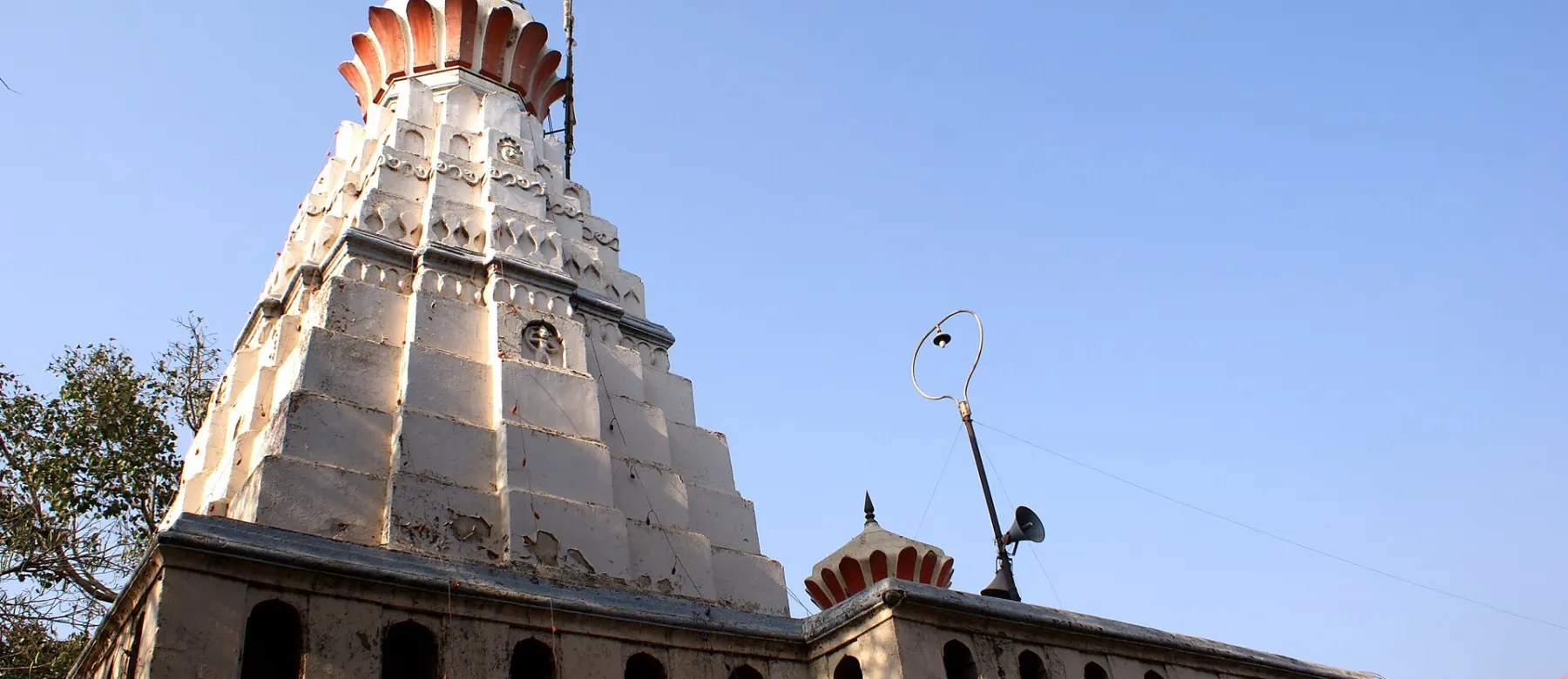

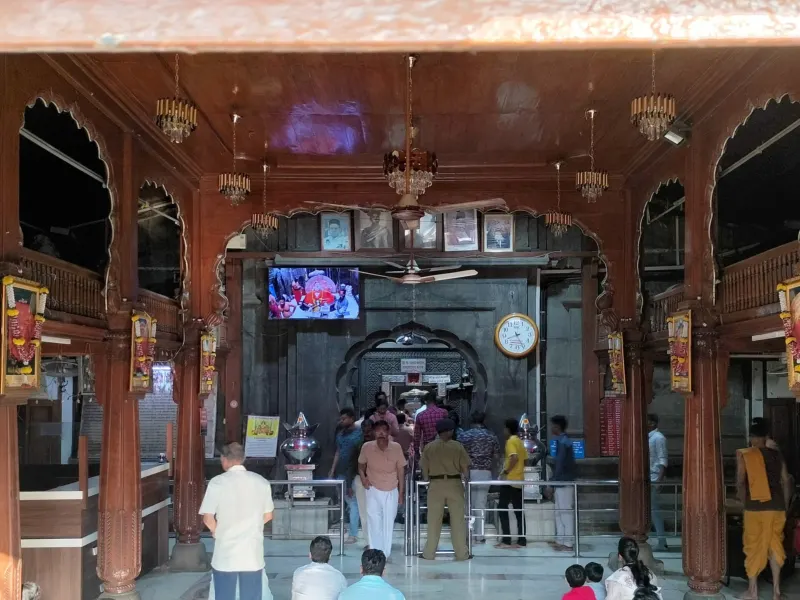
The Ashtavinayak yatra takes you to eight self-manifested (swayambhu) Ganesh temples, six in Pune district, one in Ahilyanagar and two in Raigad. Done properly it takes three days by car from Pune or Mumbai, starting and ending at the Mayureshwar temple in Morgaon. Two days is possible if you don’t mind 14-hour days in the car. Our packages are private car tours ex-Pune or ex-Mumbai with hotels on the way, timed so you reach the temples that matter most early, and Lenyadri while there’s still daylight inside the cave.
Ashtavinayak packages at a glance
| Package | Nights | What it covers | Best for |
|---|---|---|---|
| Ashtavinayak in two days | 1N / 2D | All eight temples from Pune, very early starts, no return to Morgaon | Fit adults short on leave |
| Ashtavinayak in traditional order, ex-Pune | 2N / 3D | Morgaon first and last, the full traditional sequence | Families who want the yatra done by the book |
| Ashtavinayak ex-Mumbai | 2N / 3D | Pali and Mahad on the way out, Ozar and Lenyadri on the way home | Mumbai and Thane families |
| Ashtavinayak at an easy pace | 3N / 4D | Eight temples plus Jejuri, shorter driving days | Senior citizens, groups with small children |
The full day-wise plan for Ashtavinayak Yatra ex-Pune 2N/3D is on its own page. The other formats are built from it, adding or dropping days, and any of them can be changed to suit you.
The eight temples and the traditional order
Tradition says you begin at Morgaon, go round the other seven, and come back to Morgaon to finish. Maharashtra Tourism calls Morgaon the first and last stop of the yatra. The traditional sequence is below, with distances from Maharashtra Tourism and other published sources. Treat them as approximate road distances.
| # | Temple (Ganesh form) | Where it is | Rough distance |
|---|---|---|---|
| 1 | Morgaon (Mayureshwar) | Pune district, on the Karha river | About 80 km from Pune; 17 km from Jejuri station |
| 2 | Siddhatek (Siddhivinayak) | On the Bhima, Ahilyanagar district | About 100 km from Morgaon; Daund station 18 km |
| 3 | Pali (Ballaleshwar) | Raigad district | About 110 km from Mumbai, 120 km from Pune |
| 4 | Mahad (Varadvinayak) | Near Khopoli, Raigad | About 80 km from Pune, just off the Mumbai–Pune highway |
| 5 | Theur (Chintamani) | Haveli taluka, Pune | 22–25 km from Pune |
| 6 | Lenyadri (Girijatmaj) | Cave temple near Junnar | About 96 km from Pune; 15 km from Ozar |
| 7 | Ozar (Vighneshwar) | On the Kukadi, near Junnar | About 85 km from Pune, 182 km from Mumbai |
| 8 | Ranjangaon (Mahaganapati) | On the Pune–Ahilyanagar highway | About 50 km from Pune; 50 km from Morgaon |
Look at the map and you’ll see the problem: the traditional order zigzags. Siddhatek is in the east and Pali is in the Konkan, a long drive apart. That’s why many families from Mumbai do the temples in a route-friendly order instead. Both are common. If keeping the order matters to your family, tell us and we plan around it.
Lenyadri: 307 steps and a separate ticket
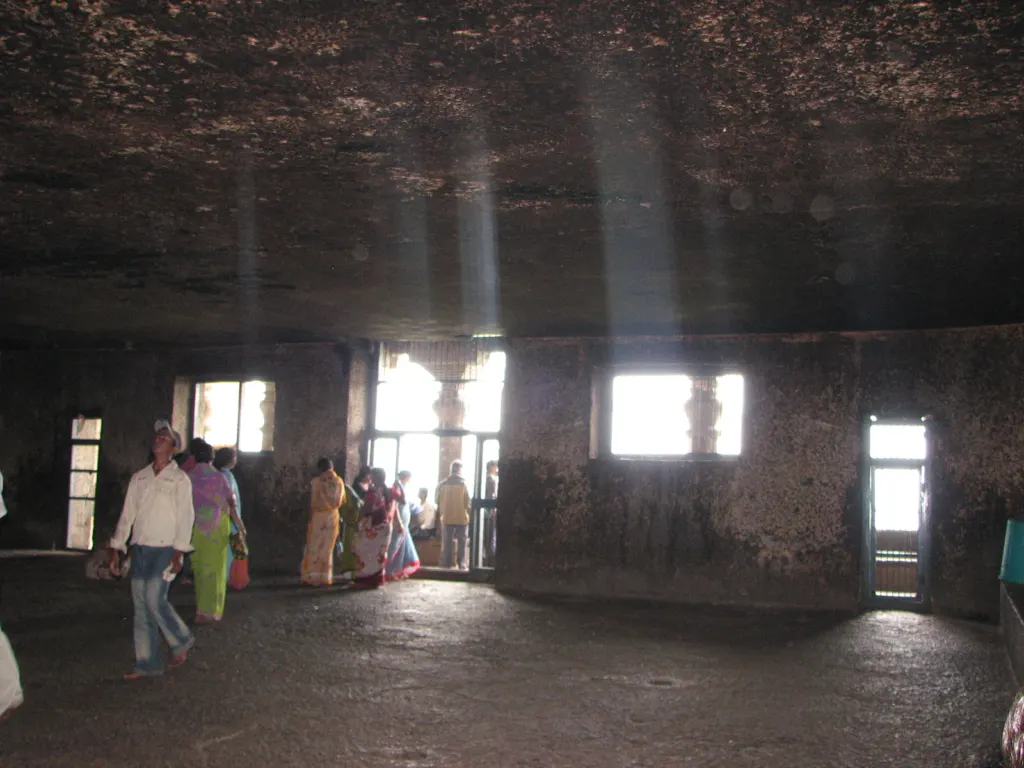
Lenyadri is the only Ashtavinayak temple that isn’t at road level. Girijatmaj is carved into a hillside cave, part of a group of old Buddhist caves above the Kukadi river near Junnar, and you climb 307 stone steps to reach it. Allow 20 to 30 minutes up at a steady pace, longer with rests. There’s no electric light in the shrine. It is lit by daylight through the entrance, which is why we always schedule Lenyadri for the morning or early afternoon.
The caves are a protected monument under the Archaeological Survey of India, and the ASI charges a small entry ticket on top of the temple visit. The fee has been the subject of complaints from devotees, so carry some cash or UPI and expect to pay it. Dolis (palanquins carried by bearers) are available at the foot for anyone who can’t manage the steps. Agree the rate before you sit in.
Good to know: temples can close at short notice for repairs. Morgaon, Theur and Siddhatek, run by the Chinchwad Devasthan Trust, were shut for public darshan from 10 May to 9 June 2026 while the Archaeology Department restored the sanctums. We check for closures before we confirm your dates.
Temple timings
All eight temples open early and stay open late, but each trust sets its own hours and the published timings online often contradict each other. The one schedule we could confirm from the trust itself is Theur’s: Kakad Aarti at 5 am, Maha Aarti at 8:30 pm and Shejarti at 10:30 pm. Aarti times at the other temples are similar. Lenyadri is the exception in practice, because of the daylight and the climb. On Chaturthi days, some temples change their puja timings, and queues can run for hours.
Two small customs worth knowing. At Mahad, devotees are allowed into the sanctum to touch the idol and do abhishek themselves. At Pali, the temple faces east so the morning sun falls on the idol, which makes it a good first stop if you’ve stayed nearby.
Best time to go, and when to avoid
October to February is the most comfortable season: dry roads, mild days, and the Western Ghats sections near Pali and Mahad aren’t slippery. The monsoon (June to September) is green and pleasant but slower on the ghat roads, and the Lenyadri steps get wet.
Avoid these days unless darshan on that day is the whole point:
- Ganesh Chaturthi and the ten days after. In 2027 Ganesh Chaturthi falls on 4 September. Every Ashtavinayak temple is at its busiest.
- Maghi Ganesh Jayanti in the month of Magh, on 10 February 2027. Theur, Morgaon and the others hold their own yatras around it.
- Angarki Chaturthi, when Sankashti Chaturthi falls on a Tuesday. It happens two or three times a year, and the queues are the longest of any ordinary day.
- Weekends and long weekends, when Pune and Mumbai drive out together. A Tuesday-to-Thursday trip is noticeably calmer.
Getting there from Pune and Mumbai
The yatra is a road trip. Trains help only for the start: Pune is the natural base, and Mumbai families who want the traditional order can take any morning train to Pune and start there. Otherwise we pick you up at home.
- From Pune: Theur and Ranjangaon are close to the city. Morgaon and Siddhatek lie south-east, Ozar and Lenyadri north on the Pune–Nashik highway, Pali and Mahad west over the ghats.
- From Mumbai: Pali and Mahad are the closest, via Panvel and Khopoli. Ozar and Lenyadri can be reached from Mumbai via Kalyan and the Murbad road, which makes them a good last stop on the drive home.
- By air: fly into Pune and start from there. Every temple is within a day’s drive of Pune airport.
For senior citizens
Seven of the eight temples need only a short walk from the car park. Lenyadri is the hard one: book a doli for anyone with knee or heart trouble, or let them rest at the foot while the family climbs. The bigger strain on elderly parents is the driving, so we suggest the 3N/4D pace for anyone over 70. Carry a folding stool for long Chaturthi queues, light cotton clothes, and slip-on footwear, since you’ll take your shoes off eight times a day.
Questions families ask before booking
Can all eight temples really be done in two days?
Yes, but it means leaving Pune before dawn both days, eating on the move and skipping the return to Morgaon. It works for fit adults. With parents or children, take three days.
Do we have to follow the traditional order?
It’s a custom, not a rule enforced anywhere. Many families from Mumbai follow a route-friendly order and still begin or end at Morgaon. If you want the order kept strictly, the ex-Pune package does that.
Where do we stay on the way?
We book hotels in Pune, Lonavala or near Narayangaon and Ranjangaon, depending on the order. Several temple trusts, including Ozar and Pali, run their own Bhakta Niwas rooms. They’re simple and good value, but they fill up on festival days, so tell us early if you want one.
Is there a dress code?
No strict code at most of the temples, but modest Indian clothing is expected and makes the sanctum queues easier.
Before you go, Maharashtra Tourism has a page on each temple, starting with Morgaon, and the Chinchwad Devasthan Trust posts the Theur festival and aarti schedule.
Temple locations, distances and customs checked November 2026 against Maharashtra Tourism’s Ashtavinayak pages and the Chinchwad Devasthan Trust’s Theur page. The 2026 closure is from a Free Press Journal report; festival dates are from published Hindu calendars. Temple timings and the ASI fee at Lenyadri change, so we confirm them when we send your quote.